Kettlebell Alternating Curtsy Lunge
A loaded cross-behind lunge that targets the glute medius and inner-leg stabilizers — a precise tool for glute-focused programs.
How to do it
- Hold the kettlebell at chest height in a goblet grip, with both hands wrapped around the horns.
- Stand tall with your feet hip-width apart and your core braced.
- Step one foot diagonally back and across behind your front leg, as if starting a curtsy.
- Lower your back knee toward the floor, bending both legs, with your front knee tracking over your front foot.
- Push through the heel of your front foot to return to the start, bringing the back leg back to neutral.
- Alternate sides every rep, keeping your torso upright and the kettlebell tight to your chest throughout.
Key technique cue
Bell tight to the chest; cross the back leg only as far as you stay stable.
Common mistakes
- ✕ Letting the front knee cave in on the way down, which overloads the knee and takes the glutes out of the work.
- ✕ Crossing the back leg too far behind, which forces the hips to rotate and breaks a stable stance.
- ✕ Leaning the torso forward over the front leg, which loads the lower back instead of the glutes.
- ✕ Letting the kettlebell drift away from the chest, which destabilizes the upper body and cuts the rep short.
Benefits
- ✓ Targets the glute medius for hip shape and lateral stability.
- ✓ Builds single-leg strength with a demanding cross-behind challenge.
- ✓ Improves balance and pelvic control under load.
Progression: from easier to harder
-
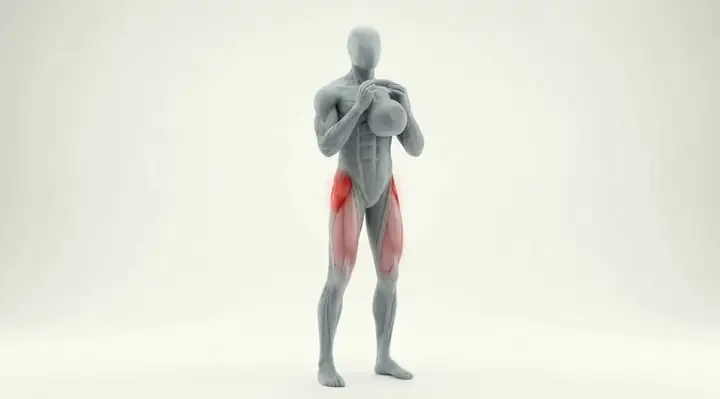 Step 1 You are here
- Kettlebell Alternating Curtsy Lunge
- Dumbbell Goblet Alternating Curtsy Lunge
About the exercise
The Kettlebell Alternating Curtsy Lunge takes the classic lunge and crosses one leg behind the other in a curtsy pattern. That cross loads the glute medius — the part of the glutes responsible for pelvic stability — far more than a forward or reverse lunge. Holding the kettlebell at chest height adds load and forces the core to brace as the pelvis rotates. It is a strong addition to glute-focused programs, women's training programs and athletic hip-stability blocks. It is also useful in rehab-adjacent lateral stability work for runners and team-sport athletes who need balanced glute strength. Pair it with the standard reverse lunge and Bulgarian split squat for complete single-leg training.
Updated
Similar exercises
-
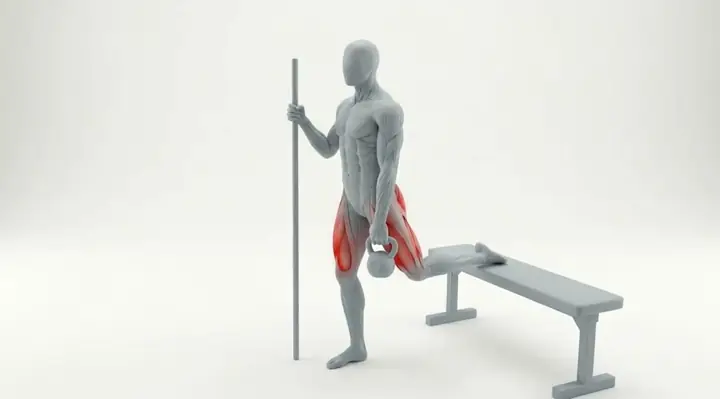 Beginner Kettlebell Assisted Bulgarian Split Squat
-
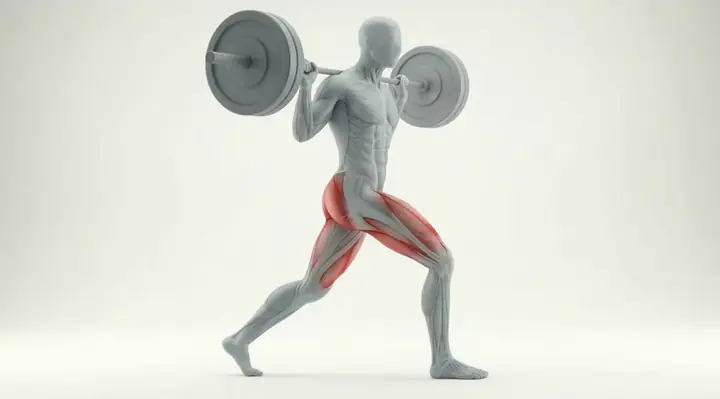 Intermediate Barbell Split Squat
-
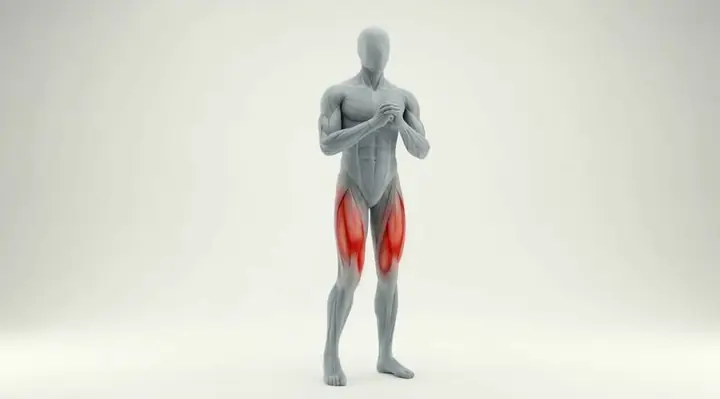 Intermediate Bodyweight Alternating Lateral Lunge
-
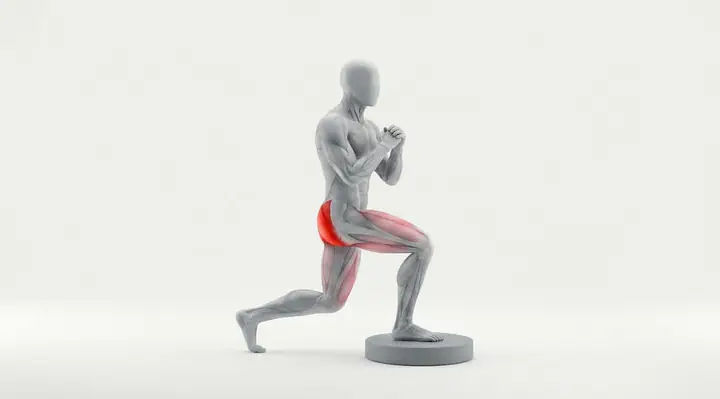 Intermediate Bodyweight Deficit Reverse Lunge
-
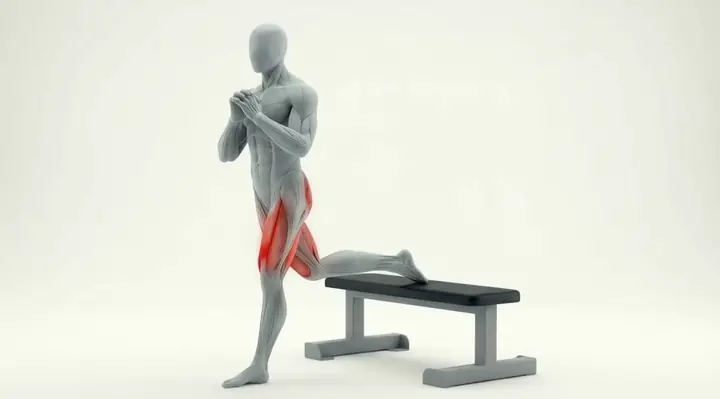 Intermediate Bulgarian Split Squat
-
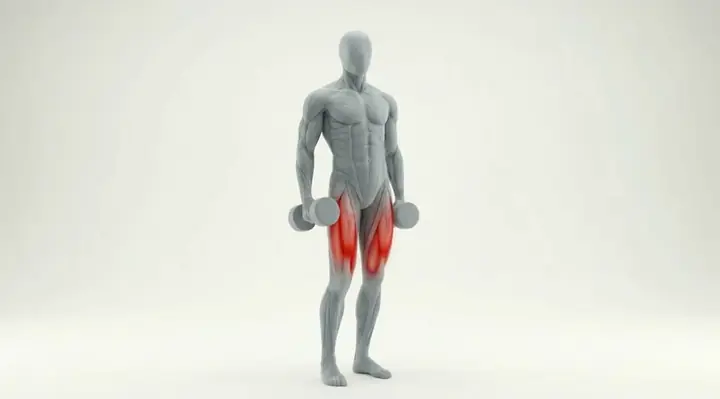 Intermediate Dumbbell Alternating Forward Lunge
-
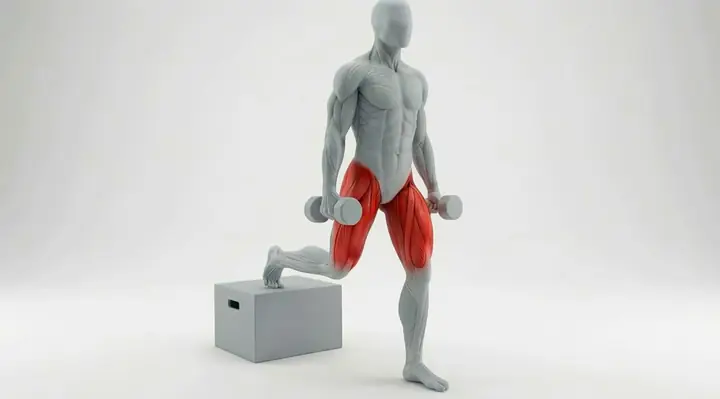 Intermediate Dumbbell Bulgarian Split Squat
-
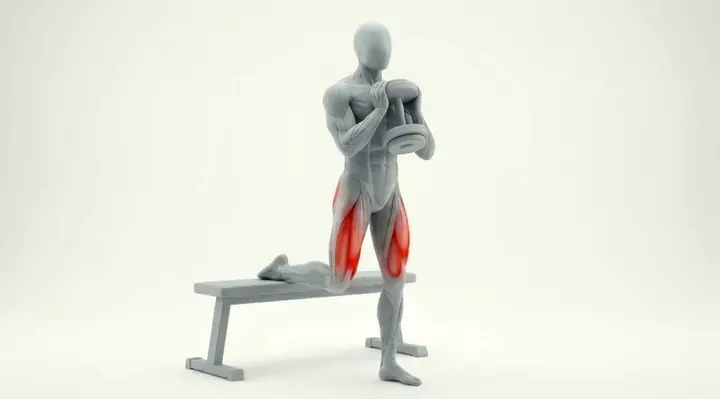 Intermediate Dumbbell Goblet Bulgarian Split Squat
A week of training and meals built for you
Workoutify plans workouts around your days, time and equipment — and a menu for your goal and macros.