Bodyweight Deficit Reverse Lunge
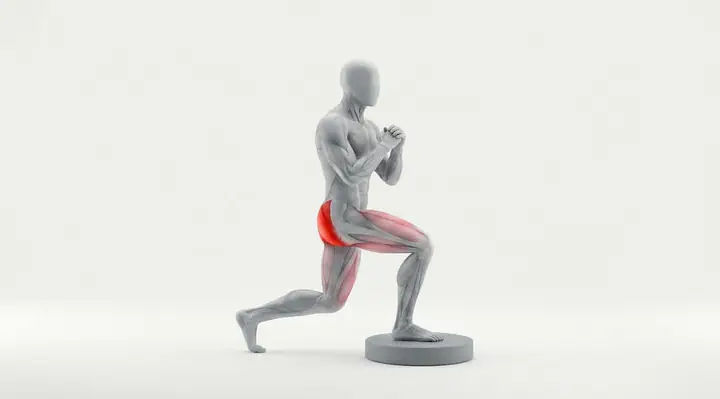
A reverse lunge stepped off a low platform so the rear knee drops below the front foot, done with empty hands.
How to do it
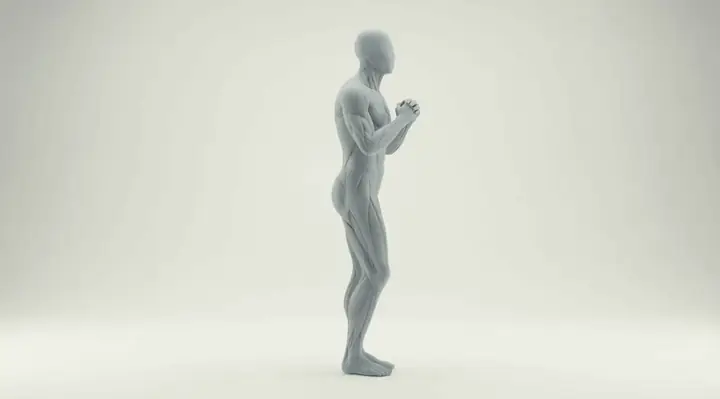
- Stand on a low platform with both feet on top and the torso upright.
- Brace the trunk and clasp the hands at the chest or let them hang.
- Step one leg straight back and plant the ball of that foot on the floor.
- Bend both knees until the rear knee drops below the level of the front foot.
- Keep the front foot flat on the platform and most of the weight on that leg.
- Drive through the front foot to return to standing on the platform, then switch sides.
Key technique cue
Step back far enough for the rear knee to drop below the platform; stand with the front leg.
Common mistakes
- ✕ Pushing off the rear foot so the front leg stops doing the work.
- ✕ Letting the front knee cave inward as you step back.
- ✕ Taking too short a step so the rear knee cannot drop below the platform.
- ✕ Crashing the rear knee into the floor instead of stopping just above it.
Benefits
- ✓ Increases hip range compared with a floor reverse lunge, which loads the glutes more.
- ✓ Stays knee-friendlier than a forward lunge because the step is backward.
- ✓ Builds single-leg strength and balance with no external load.
Progression: from easier to harder
-
 Step 1
-
 Step 2 You are here
- Bodyweight Deficit Reverse Lunge
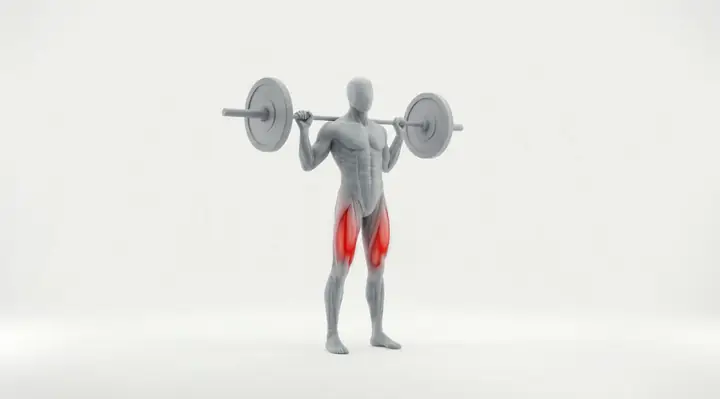
- Dumbbell Goblet Forward Lunge
- Dumbbell Goblet Reverse Lunge
- Plate Forward Lunge
- Dumbbell Alternating Forward Lunge
- Dumbbell Rear Lunge
-
 Step 3
About the exercise
The bodyweight deficit reverse lunge starts with the front foot on a low round platform. You step the other leg straight back, drop the rear knee toward the floor, then drive through the elevated front foot to stand back on the platform. The extra height lets the rear knee travel below the front foot, which lengthens the hip-flexion range and is why coaches use the deficit to load the glutes more than a floor reverse lunge. Hands stay free. Most of the weight should stay on the front leg; the back foot is a balance point, not a push-off.
Updated
Similar exercises
-
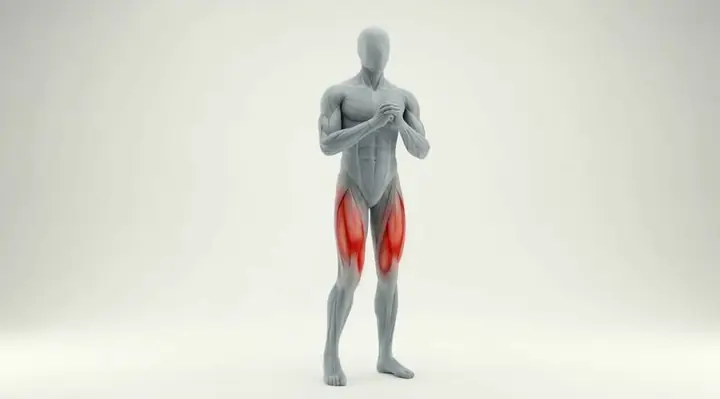 Intermediate Bodyweight Alternating Lateral Lunge
-
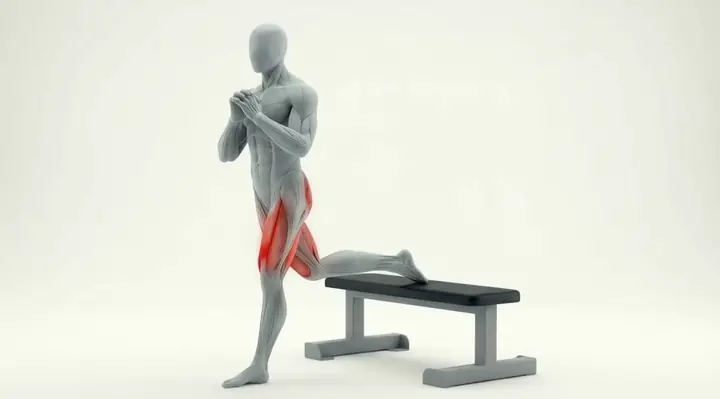 Intermediate Bulgarian Split Squat
-
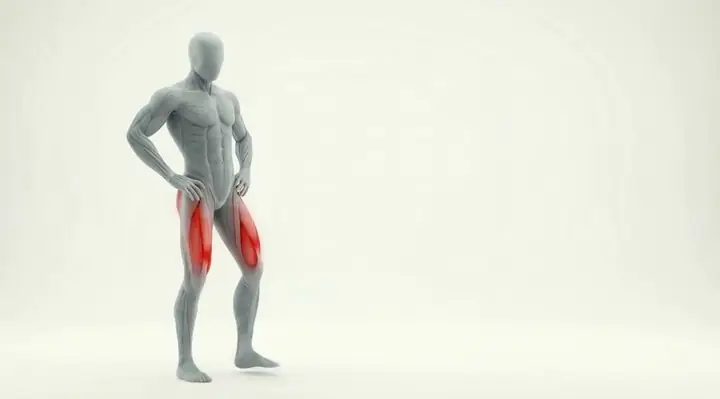 Intermediate Walking Lunge
-
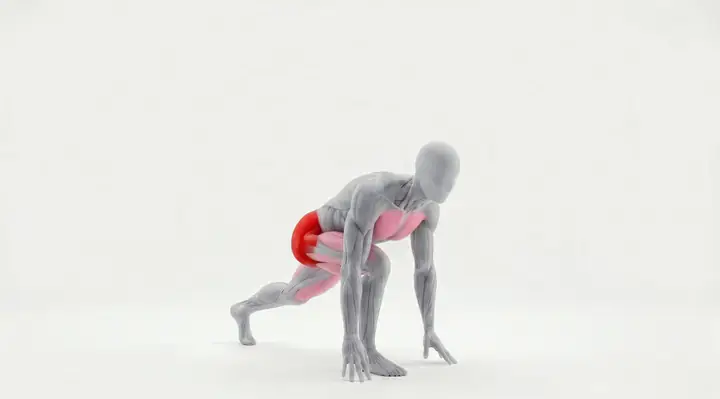 Intermediate World's Greatest Stretch
-
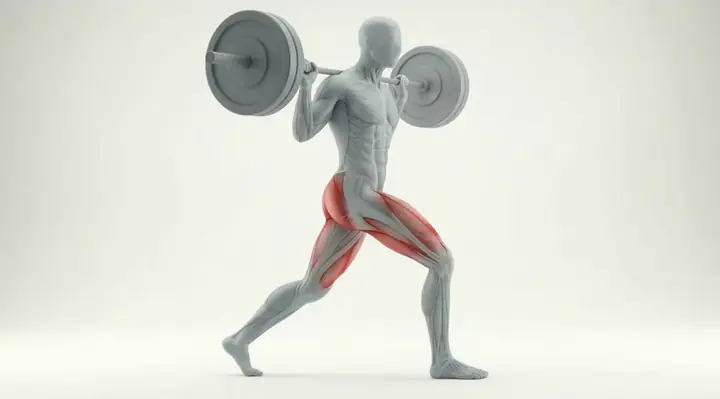 Intermediate Barbell Split Squat
-
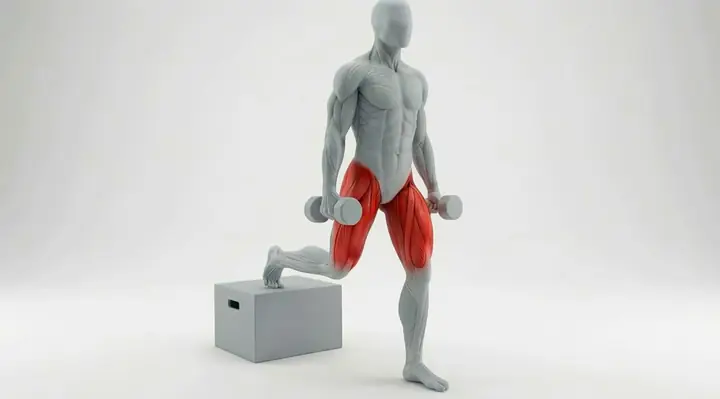 Intermediate Dumbbell Bulgarian Split Squat
-
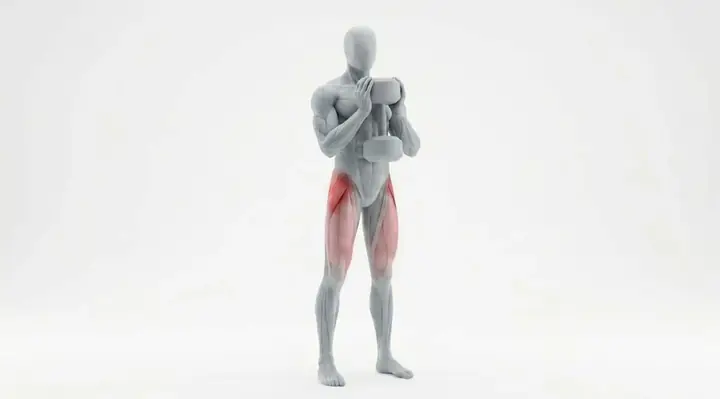 Intermediate Dumbbell Goblet Alternating Curtsy Lunge
-
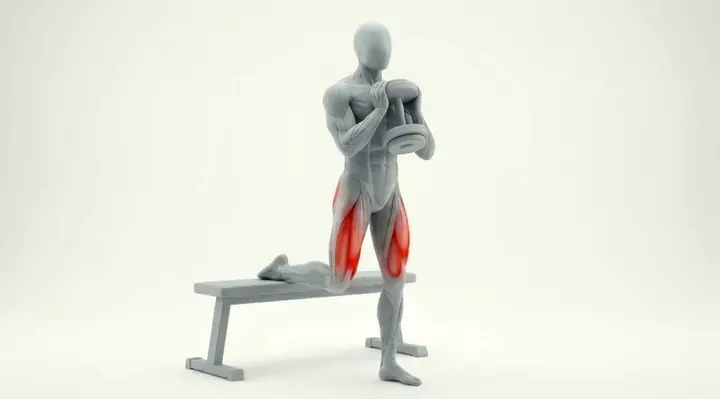 Intermediate Dumbbell Goblet Bulgarian Split Squat
A week of training and meals built for you
Workoutify plans workouts around your days, time and equipment — and a menu for your goal and macros.