Cycling Intervals
Seated cycling run as repeated hard efforts with recoveries between them, holding a stable position throughout.
How to do it
- Set saddle height so your knee stays slightly bent at the bottom of the stroke.
- Ride easy for several minutes until your breathing and cadence settle.
- Hold a stable seated position with relaxed shoulders and a light grip.
- Lift effort to the target for the work interval without changing your position.
- Drop back to easy pedalling for the full recovery before the next effort.
- Repeat the work and recovery pattern, then ride easy to finish.
Key technique cue
Don't go all-out on the first rep, or the last ones will fade.
Common mistakes
- ✕ Starting the first effort too hard, so the last intervals collapse.
- ✕ Cutting recovery short, which turns the session into one long moderate ride.
- ✕ Rocking the hips at high effort instead of driving through the pedals.
- ✕ Raising cadence without resistance, so effort never reaches the target.
Benefits
- ✓ Improves ventilatory threshold within a small number of sessions.
- ✓ Keeps a low-impact pattern while intensity climbs.
- ✓ Uses a repeatable structure that is easy to prescribe and track.
Progression: from easier to harder
-
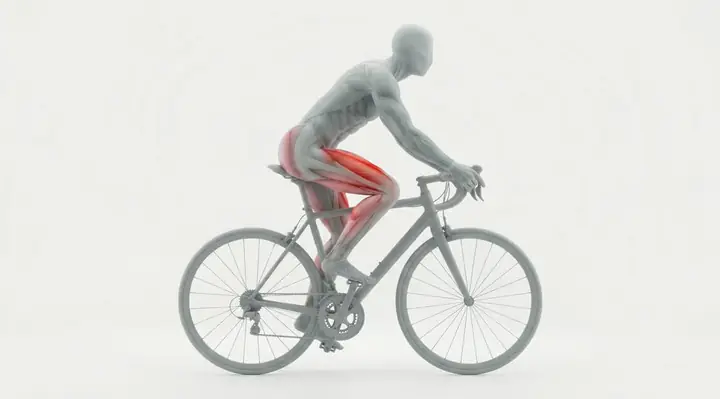 Step 1
-
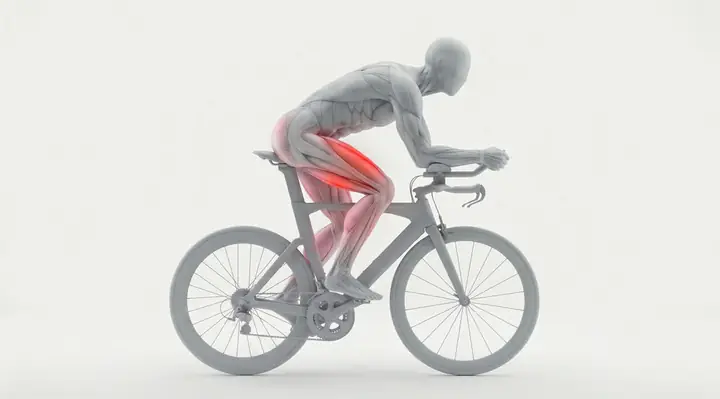 Step 2
-
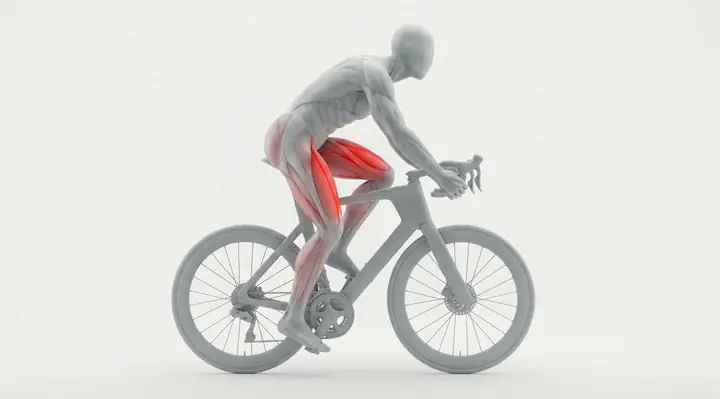 Step 3 You are here
- Cycling Intervals
- Hill Climb Repeats
-
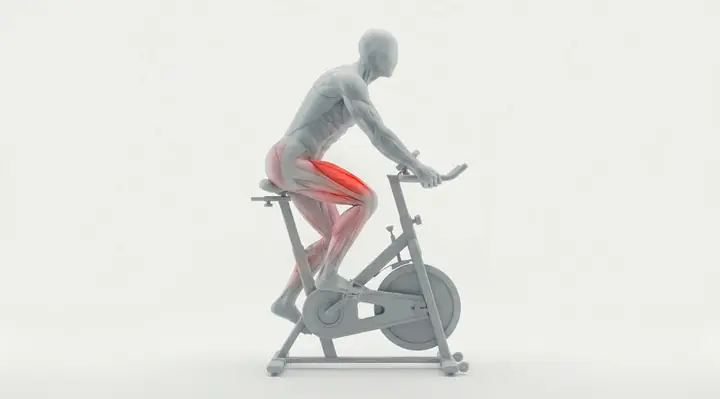 Step 4
About the exercise
Interval riding keeps the pedalling pattern constant and varies only the effort. The quadriceps are the muscles that separate hard riding from easy riding: EMG work across eight lower-limb muscles found the vastus medialis, vastus lateralis and rectus femoris responding most to changes in pedalling demand, with glutes, hamstrings and calves supporting the stroke. A standard laboratory protocol is four thirty-second efforts against a fixed load with four minutes of recovery, repeated six times over two weeks, which is enough to move ventilatory threshold by roughly fifteen percent.
Updated
A week of training and meals built for you
Workoutify plans workouts around your days, time and equipment — and a menu for your goal and macros.