Cycling Sprint
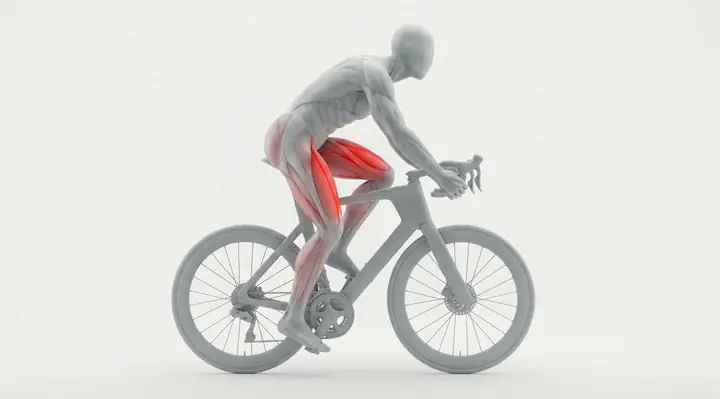
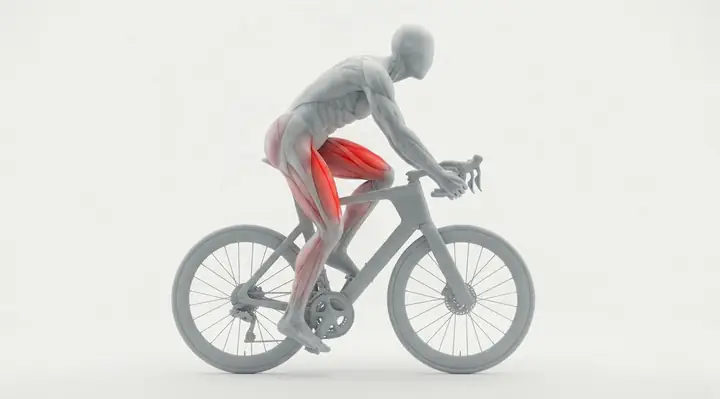
Maximal short cycling efforts where output peaks in seconds and the quads carry the load through every pedal stroke.
How to do it
- Warm up with several minutes of easy riding before attempting any sprint.
- Select a resistance heavy enough that cadence cannot run away from you.
- Settle into a stable seated position with a firm grip on the bars.
- Accelerate to maximum effort within the first few pedal strokes.
- Hold peak output for the full sprint window without shifting position.
- Spin easy for several minutes of recovery before the next sprint.
Key technique cue
Heavy resistance, quiet hips — drive with force, not just cadence.
Common mistakes
- ✕ Sprinting against too little resistance, so cadence spikes and force stays low.
- ✕ Building up gradually, which wastes most of a thirty-second window.
- ✕ Shortening recovery, which caps the output of every subsequent sprint.
- ✕ Sprinting cold, which is when hamstring and knee complaints appear.
Benefits
- ✓ Raises ventilatory threshold in as few as six sessions.
- ✓ Delivers maximal intensity without impact on the joints.
- ✓ Produces a clean, measurable output for testing and pacing.
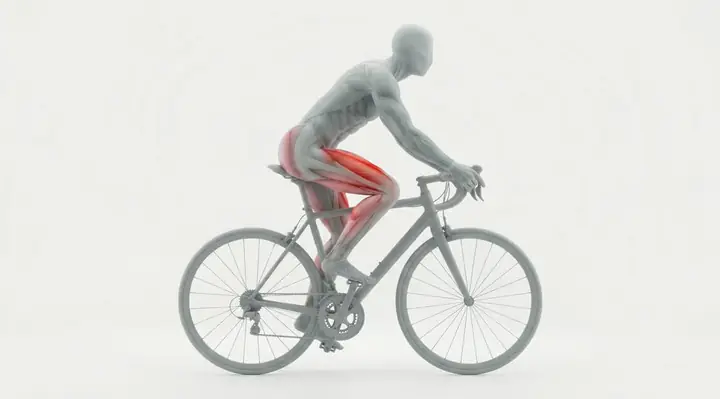
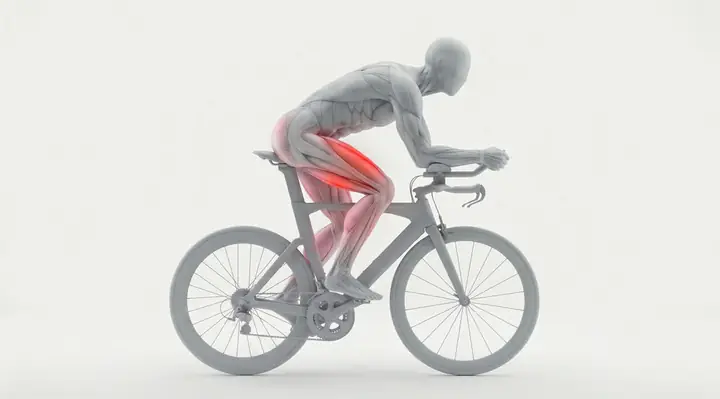
Progression: from easier to harder
-
 Step 1
-
 Step 2
-
 Step 3
-
 Step 4 You are here
- Cycling Sprint
- Bike sprint intervals
About the exercise
A cycling sprint is an all-out effort measured in seconds rather than minutes. Typically it is around thirty seconds at maximum, followed by several minutes of easy pedalling so that power can recover before the next repeat. Sprints train anaerobic capacity and the ability to produce power quickly rather than the aerobic ceiling. Mechanically nothing changes from steady riding except force: the quadriceps group drives the stroke while glutes, hamstrings and calves support it.
Updated
A week of training and meals built for you
Workoutify plans workouts around your days, time and equipment — and a menu for your goal and macros.