Hip Hinge Drill
A standing pattern drill that sends the hips back with a long spine, with hands on the hips and no load.
How to do it
- Stand tall with the feet about hip width and both hands resting on the hips.
- Soften the knees and brace the trunk so the spine stays long.
- Push the hips straight back and let the torso tip forward as one piece.
- Stop when the torso is about halfway to the floor or the hamstrings pull.
- Drive the hips forward and stand tall by squeezing the glutes.
- Repeat slow hinges without rounding the low back or turning the move into a squat.
Key technique cue
Push the hips back as if closing a door with them; knees soft, back flat.
Common mistakes
- ✕ Bending through the low back instead of sending the hips back.
- ✕ Squatting the knees forward so the shins travel and the hinge is lost.
- ✕ Letting the chest collapse or the neck poke as the torso tips.
- ✕ Rushing the stand-up without squeezing the glutes to finish tall.
Benefits
- ✓ Teaches a hip-dominant pattern that loaded deadlifts and swings depend on.
- ✓ Builds posterior-chain awareness with no equipment and little space.
- ✓ Gives coaches a clear screen for spine position before they add load.
About the exercise
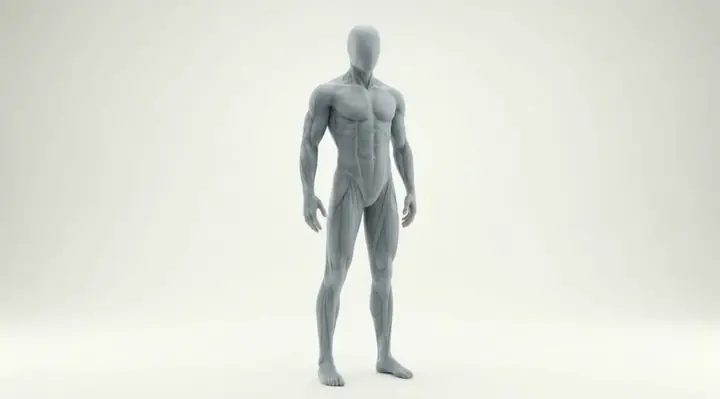
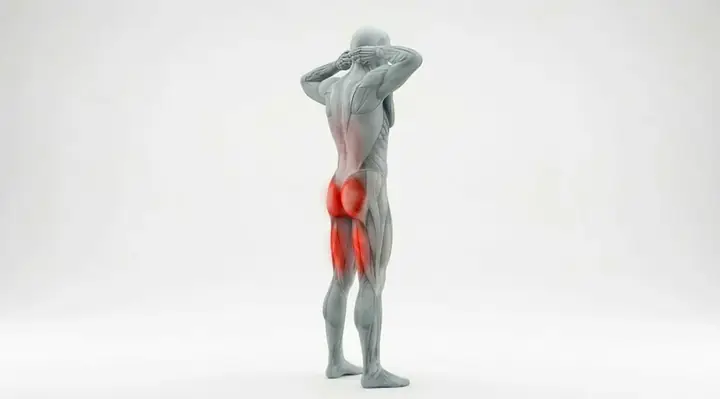
The hip hinge drill teaches the posterior-chain pattern used in deadlifts, swings, and everyday lifting: hips travel back, the torso tips as a unit, and the spine stays long. Here you stand with both hands on the hips and nothing in the hands, the unloaded coaching version used to feel hip travel before a dowel or bar is added. The glutes drive the return to standing; the hamstrings lengthen on the way down and the spinal erectors hold the torso quiet. This is a teaching drill, not a loaded lift, and it fits warm-ups, deadlift progressions, and mobility work that needs a clear hinge before an RDL or kettlebell swing.
Updated
Similar exercises
A week of training and meals built for you
Workoutify plans workouts around your days, time and equipment — and a menu for your goal and macros.