Split Squat Isometric Hold
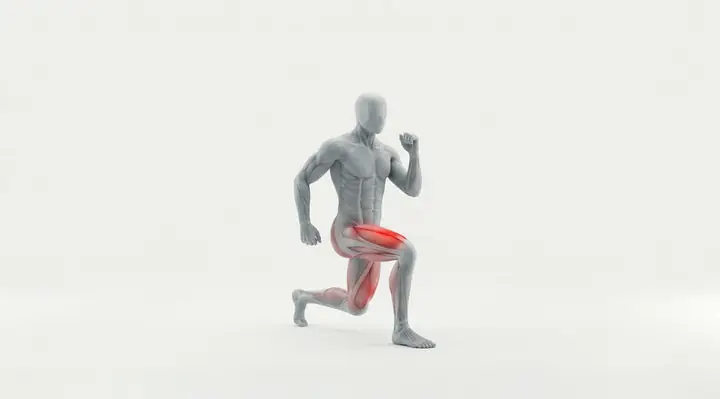
A static split stance hold near the bottom of a lunge, with the rear knee hovering just off the floor.
How to do it
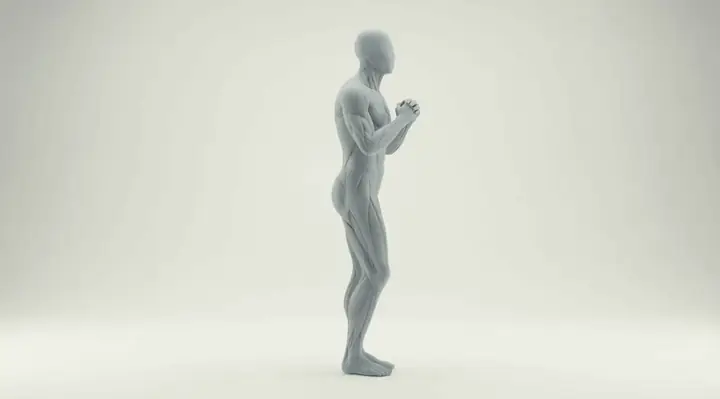
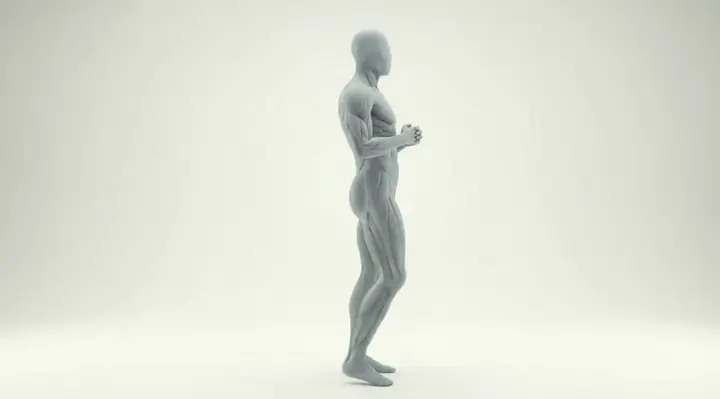
- Step one foot forward into a split stance with your hands at your sides.
- Keep your gaze forward and your trunk braced with a slight forward lean.
- Lower under control until your rear knee lightly touches the floor.
- Drive through the front foot so the rear knee lifts one to two inches off the ground.
- Hold that position for the prescribed time without letting the front knee drift inward.
- Lower the rear knee back to the floor, stand up, and repeat on the other side.
Key technique cue
Weight on the front leg, knee not caving in; keep breathing through the hold.
Common mistakes
- ✕ Shifting weight onto the rear foot, which takes load off the front quadriceps.
- ✕ Letting the front knee collapse inward during a long hold.
- ✕ Standing too upright and locking the trunk, which usually ends the hold early.
- ✕ Holding the breath instead of breathing through the position, which shortens the set.
Benefits
- ✓ Builds strength at a specific joint angle with no equipment and no movement.
- ✓ Suits people who cannot yet load a full split squat through range.
- ✓ Improves single leg control and trunk stability under sustained tension.
Progression: from easier to harder
-
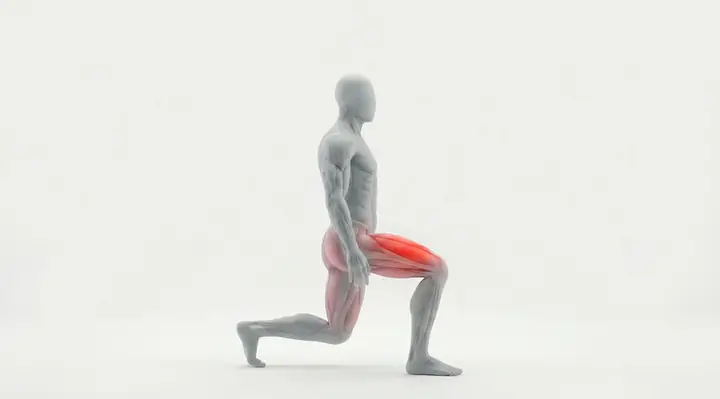 Step 1 You are here
- Split Squat Isometric Hold
-
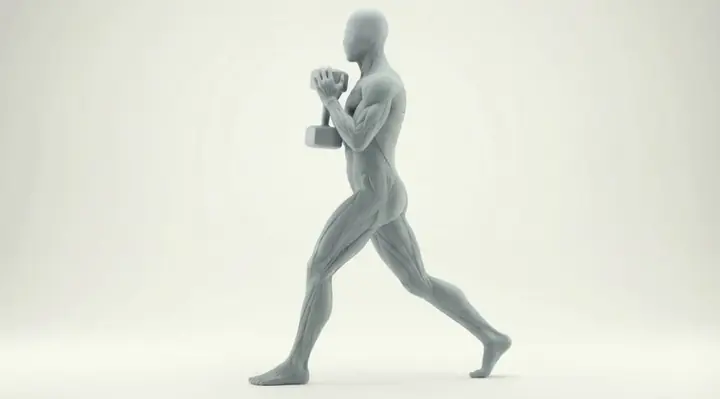 Step 2
-
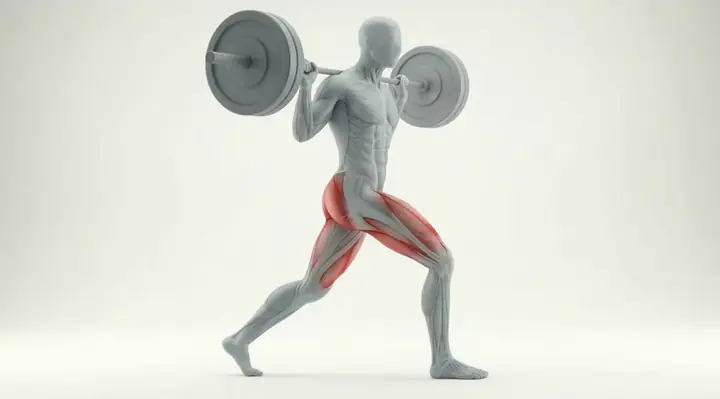 Step 3
-
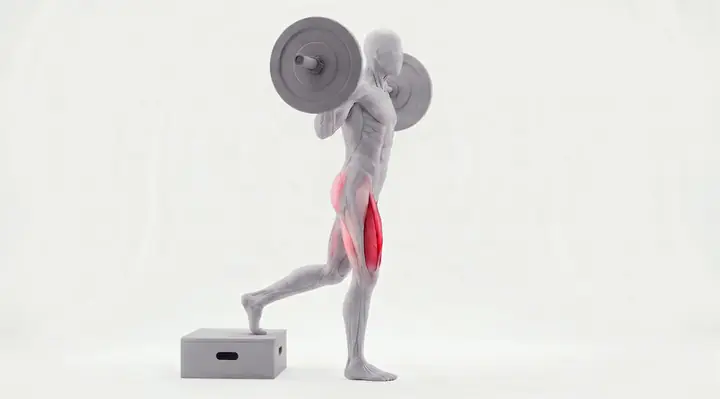 Step 4
About the exercise
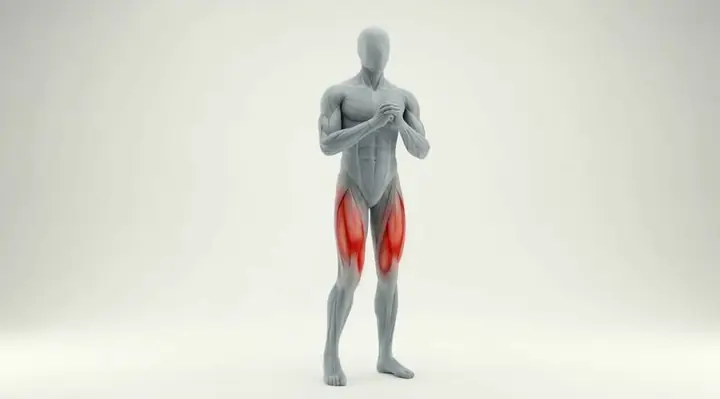
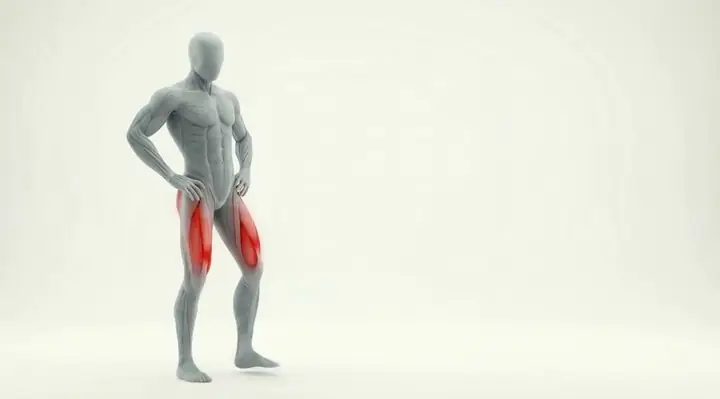
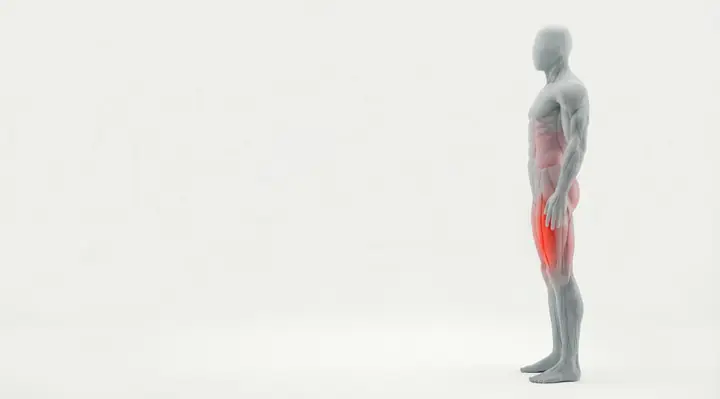
The split squat isometric hold builds tension without movement. You take a split stance, lower until the rear knee touches the floor, then drive through the front foot just enough to lift that knee an inch or two and hold the position. Muscle tension is produced with no change in muscle length, which is what makes the action isometric, and it develops joint control and postural stability at the exact angle being held. The front quadriceps carries most of the load, with glutes, hamstrings, trunk, and calves stabilizing. A narrow stance and pressure through the ball of the foot favors the quadriceps; a wider stance and heel pressure brings the glutes in. It suits warm ups, tempo work, and rehab progressions.
Updated
Similar exercises
A week of training and meals built for you
Workoutify plans workouts around your days, time and equipment — and a menu for your goal and macros.