Band Single Arm Lateral Raise
Single-arm band lateral raise that develops the lateral delts one arm at a time — corrects side-to-side imbalances.
How to do it
- Stand on one end of the band with your right foot, holding the other handle in your right hand at your thigh.
- Set your feet shoulder-width apart, keeping a slight bend in the working elbow throughout.
- Raise your right arm straight out to the side until your hand reaches shoulder height.
- Pause briefly at the top, feeling your lateral delt squeeze under the band's peak tension.
- Lower your arm back down with control over a 2–3 second eccentric, resisting the band the whole way.
- Do 10–12 reps per arm, switching sides once the working delt is fully fatigued.
Key technique cue
Don't lean away — lift with the shoulder only, up to shoulder height.
Common mistakes
- ✕ Leaning the torso to the opposite side to swing the arm up — momentum cheats the lateral delt.
- ✕ Locking out the working elbow fully, which shifts the load onto the wrists and forearms.
- ✕ Raising the arm above shoulder height, where the traps take over from the lateral delt.
- ✕ Using too much band tension and breaking form instead of dropping down to clean reps.
Benefits
- ✓ Builds lateral-delt strength one arm at a time, exposing imbalances.
- ✓ Trains better side-to-side symmetry for more even shoulder development.
- ✓ Travel- and home-friendly — works with a single band, no weights.
Progression: from easier to harder
-
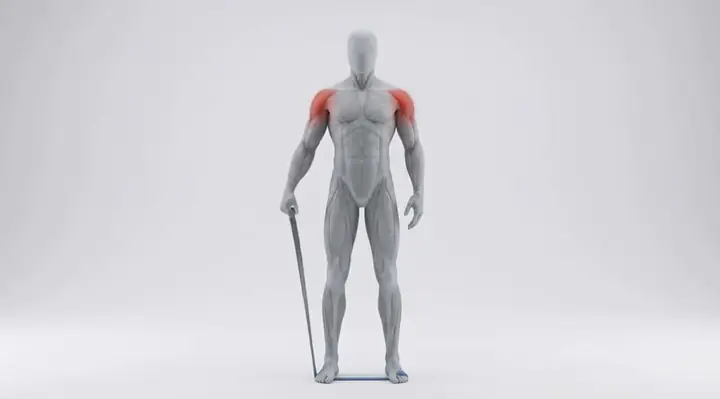 Step 1 You are here
- Band Single Arm Lateral Raise
- Band Lateral Raise
- Dumbbell Seated Lateral Raises
- Lying One-Arm Lateral Raise
- Machine Lateral Raise
- One-Arm Incline Lateral Raise
-
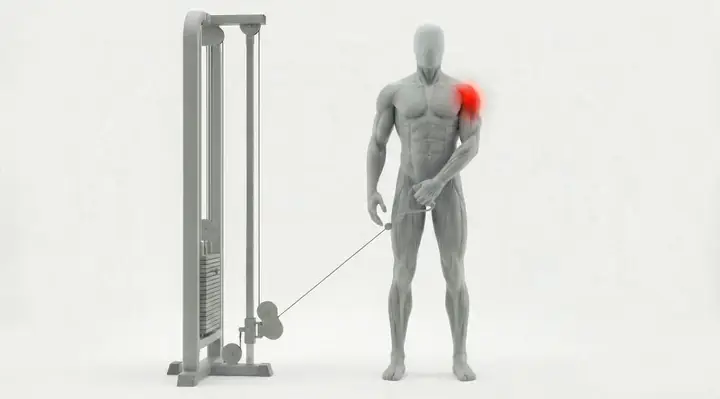 Step 2
-
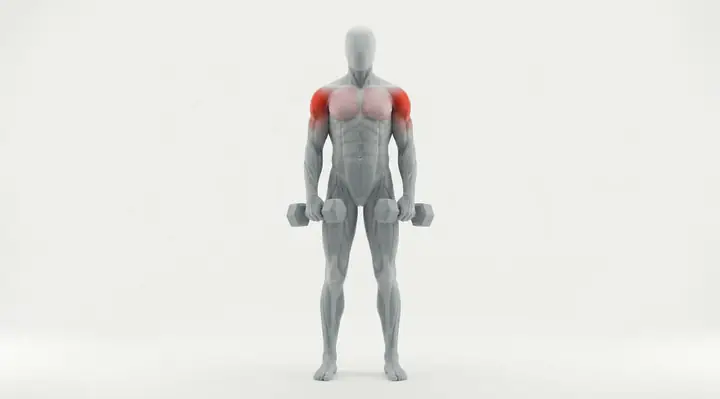 Step 3
About the exercise
The single-arm version of the band lateral raise lets you put all your focus on one shoulder at a time, which is the cleanest way to spot and fix side-to-side imbalances. Most people have one shoulder that's noticeably weaker than the other; this exercise exposes it within a set or two. It's the ideal companion to the standard band lateral raise. Use it in advanced shoulder programs, in rehab and post-injury work, and whenever you want to work on weaknesses spotted between sides.
Updated
Similar exercises
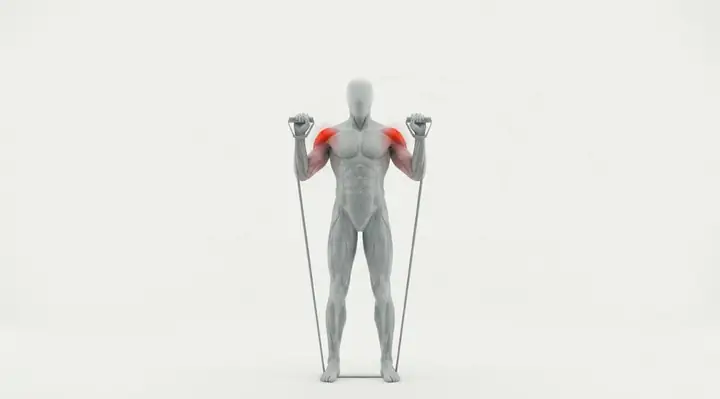
A week of training and meals built for you
Workoutify plans workouts around your days, time and equipment — and a menu for your goal and macros.