Dumbbell Seated Lateral Raises
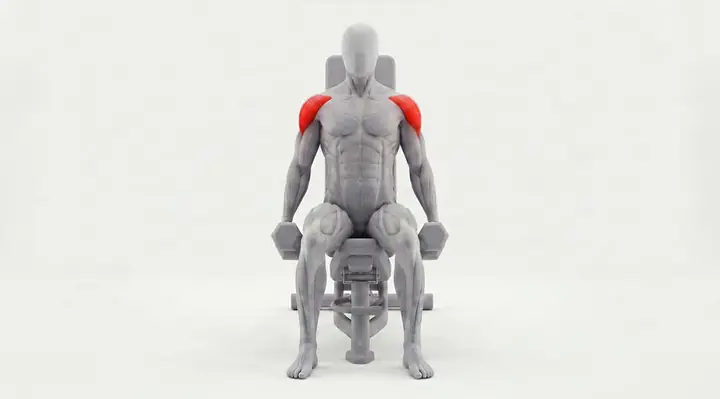
A back-supported seated side raise that lifts both dumbbells to shoulder height, isolating the lateral deltoids.
How to do it
- Sit on a bench with the backrest supporting your torso and a dumbbell in each hand.
- Plant your feet and let the dumbbells hang at your sides with palms facing in.
- Set a slight bend in both elbows and keep the chest tall against the pad.
- Raise both arms out to the sides until they reach about shoulder height.
- Pause without shrugging the shoulders toward the ears.
- Lower under control to the hang and repeat.
Key technique cue
Back against the pad, still no swinging; shoulders down, no shrug at the top.
Common mistakes
- ✕ Bringing the arms higher than the shoulders, which hands the work to the traps.
- ✕ Using a torso rock even on a backrest to heave the dumbbells up.
- ✕ Straightening the elbows fully so the joints take the load.
- ✕ Letting the dumbbells rest on the thighs between reps, which dumps tension.
Benefits
- ✓ The backrest blocks torso swing so the side delts have to lift the load.
- ✓ A seated start is easy to coach in remote and beginner programs.
- ✓ Light dumbbells and a short range make it a clean isolation exercise.
Progression: from easier to harder
-
 Step 1 You are here
- Dumbbell Seated Lateral Raises
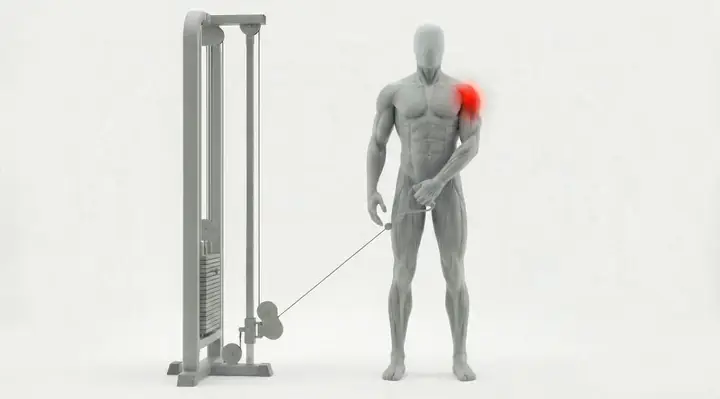
- Band Lateral Raise
- Band Single Arm Lateral Raise
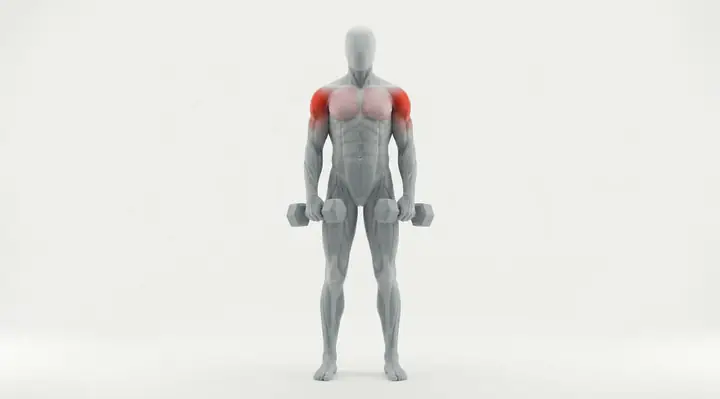
- Lying One-Arm Lateral Raise
- Machine Lateral Raise
- One-Arm Incline Lateral Raise
-
 Step 2
-
 Step 3
About the exercise
Seated lateral raises put the lifter on a bench with a backrest so the trunk cannot swing the weights up. From a hang beside the hips, both arms raise out to the sides until they reach about shoulder height, then lower under control. There are no secondary muscles for this exact lift: the pad takes the torso out of the movement, and the lateral deltoids do the abduction. A slight elbow bend is kept throughout so the path stays a raise, not a press.
Updated
Similar exercises
-
 Beginner Dumbbell Seated Overhead Press
-
 Intermediate Anti-Gravity Press
-
 Intermediate Arnold Press
-
 Beginner Dumbbell Single Arm Neutral Overhead Press
-
 Beginner Dumbbell Single Arm Upright Row
-
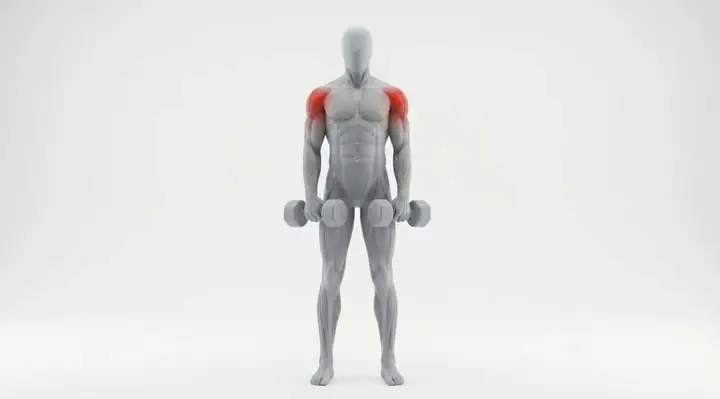 Beginner Dumbbell Upright Row
-
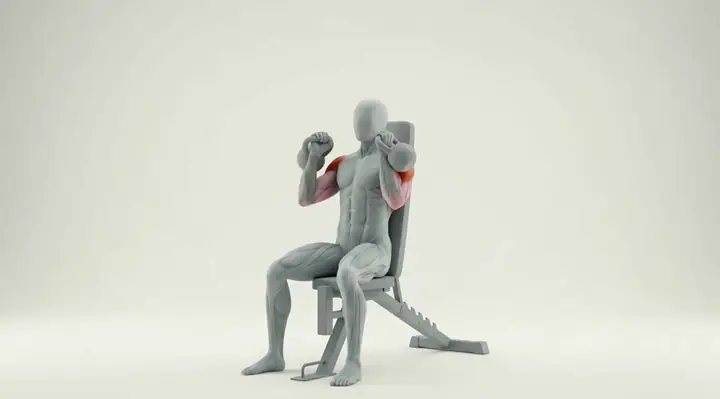 Beginner Kettlebell Seated Overhead Press
-
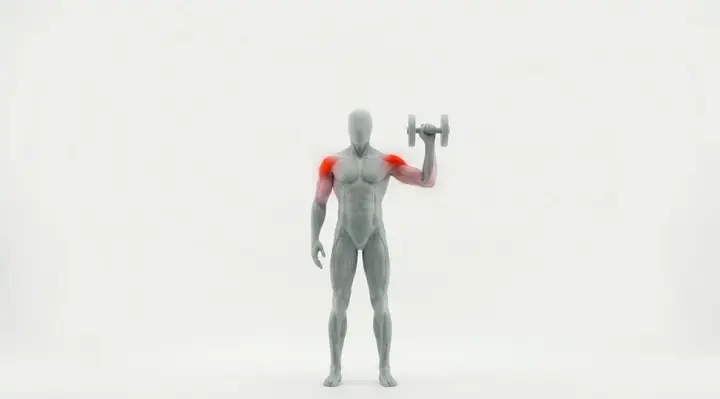 Beginner Single-Arm Dumbbell Overhead Press
A week of training and meals built for you
Workoutify plans workouts around your days, time and equipment — and a menu for your goal and macros.