Dumbbell Seated Full Lateral Raise
A seated side raise on a backless bench, lifting both dumbbells out to shoulder height with a slight elbow bend.
How to do it
- Sit tall on a backless bench with a dumbbell in each hand hanging at your sides.
- Plant your feet and keep a slight bend in both elbows.
- Brace the abs so the torso does not lean back as the arms rise.
- Raise both dumbbells out to the sides until the arms reach about shoulder height.
- Pause briefly without shrugging the shoulders toward the ears.
- Lower under control to the hang and repeat.
Key technique cue
Abs tight, don't lean back; shoulders off the ears, elbows stay softly bent.
Common mistakes
- ✕ Raising the arms well above shoulder height, which shifts the work onto the traps.
- ✕ Leaning the torso back to swing the dumbbells up.
- ✕ Bending the elbows into a 90-degree curl so the path becomes a press.
- ✕ Shrugging the shoulders at the top instead of keeping them down.
Benefits
- ✓ Sitting removes leg drive so the lateral deltoids have to lift the load.
- ✓ A full raise to shoulder height trains the complete abduction arc.
- ✓ A backless seat still asks the trunk to stay upright without a pad.
Progression: from easier to harder
-
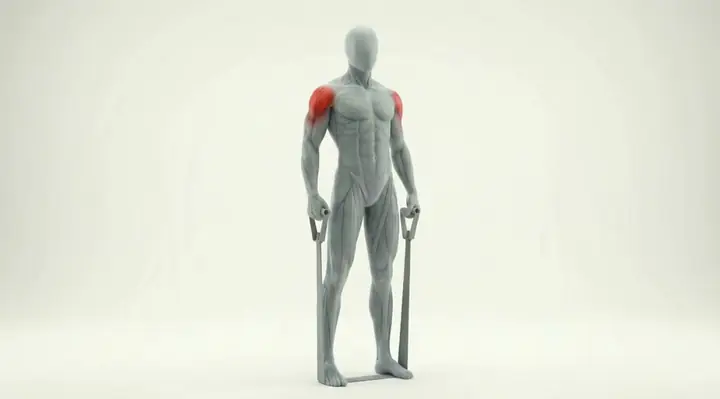 Step 1
-
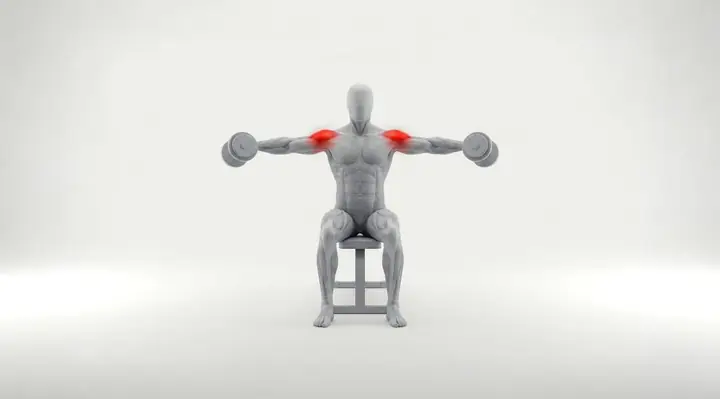 Step 2 You are here
- Dumbbell Seated Full Lateral Raise
- Cable Low Single Arm Lateral Raise
- Dumbbell Lateral Raise
- Leaning Single Arm Lateral Raise
- Leaning Cable Lateral Raise
-
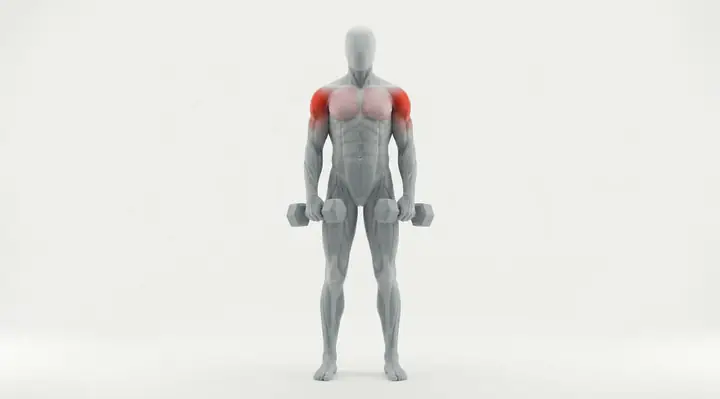 Step 3
About the exercise
The seated full lateral raise is a two-arm shoulder abduction from an unsupported seat. Sitting on a backless bench or stool takes the legs out of the lift, so the lateral deltoids have to raise the dumbbells without a hip dip or torso swing. Arms travel out to the sides until they reach about shoulder height, then lower under control. Full here means a complete abduction to that horizontal finish, not an overhead press. Raising much higher than the shoulders starts to hand the work to the upper traps.
Updated
Similar exercises
-
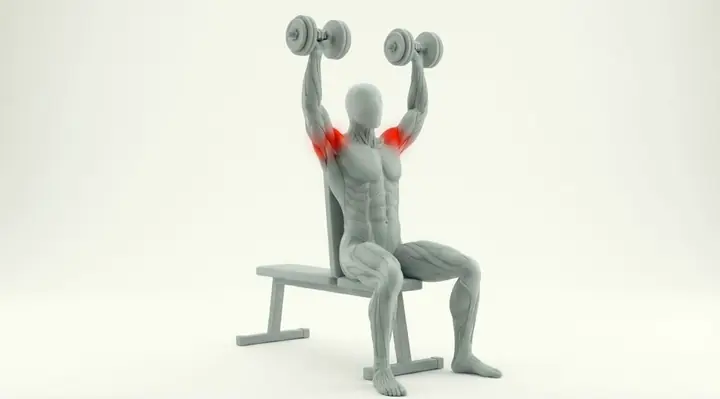 Beginner Dumbbell Seated Overhead Press
-
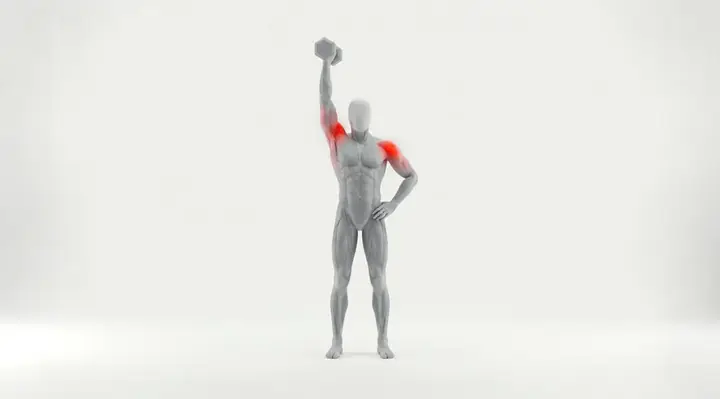 Beginner Dumbbell Single Arm Neutral Overhead Press
-
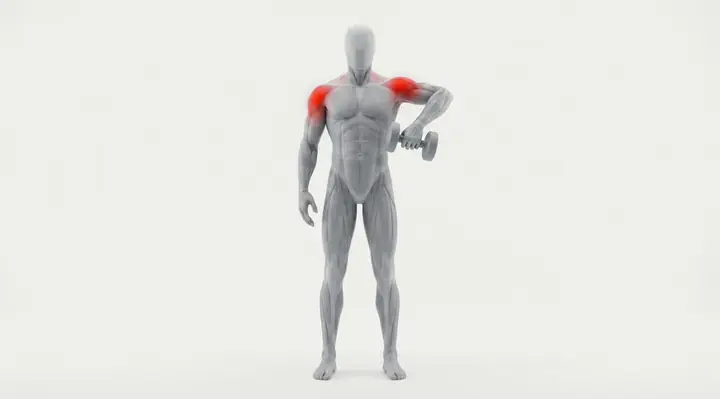 Beginner Dumbbell Single Arm Upright Row
-
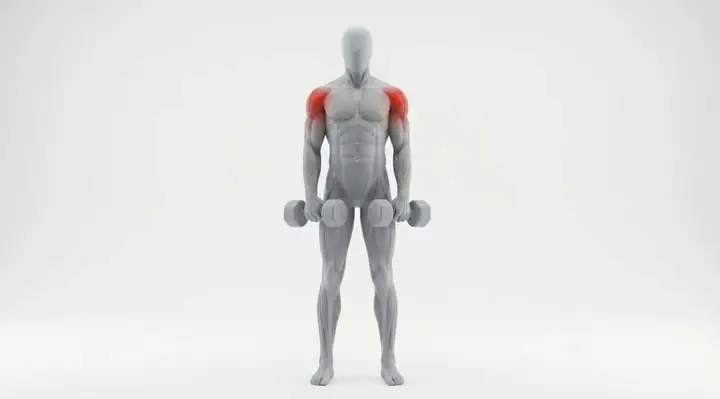 Beginner Dumbbell Upright Row
-
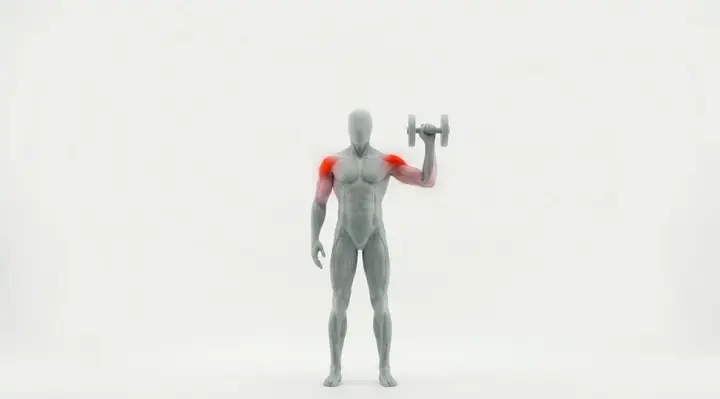 Beginner Single-Arm Dumbbell Overhead Press
-
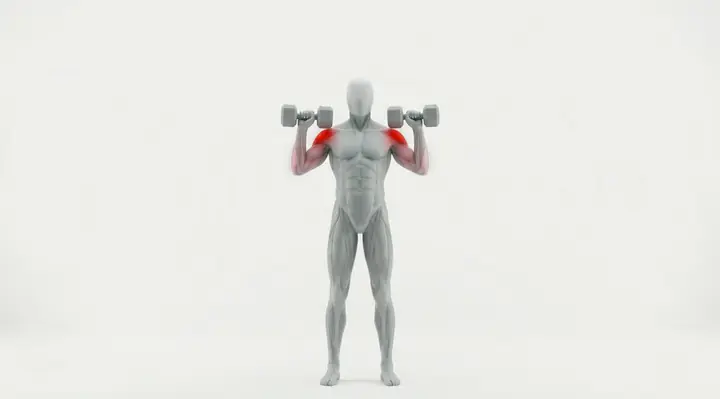 Beginner Standing Alternating Dumbbell Press
-
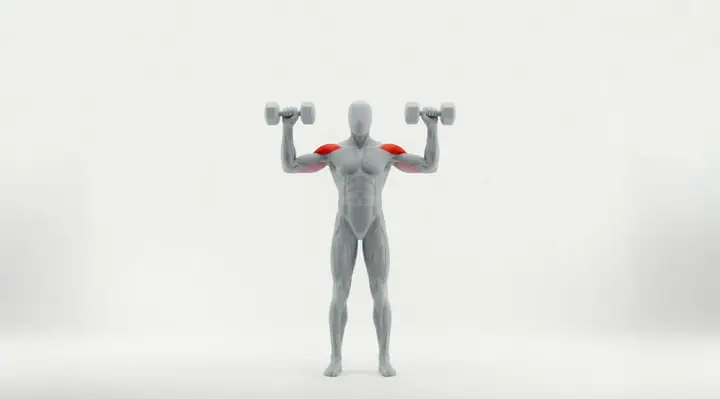 Beginner Standing Dumbbell Press
-
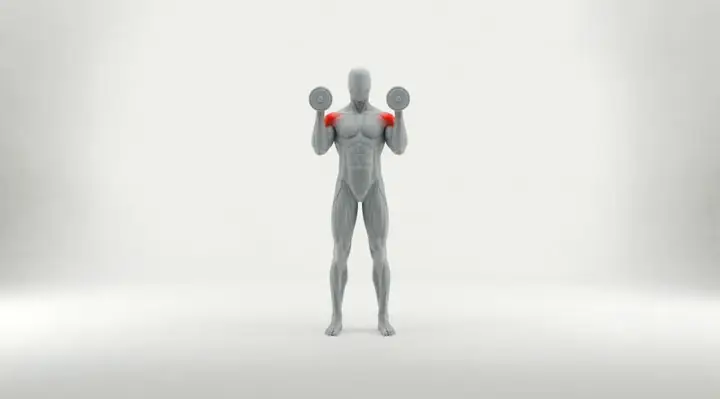 Beginner Standing Palms-In Dumbbell Press
A week of training and meals built for you
Workoutify plans workouts around your days, time and equipment — and a menu for your goal and macros.