Single-Arm Cable Fly
One-arm standing cable fly that adducts a single working arm while the trunk resists being pulled around.
How to do it
- Set one pulley to roughly shoulder height and select a light load.
- Take the handle in the hand furthest from the stack and step out until the cable is taut.
- Move into a staggered stance with the outside foot forward and brace your abdominals.
- Keep a soft bend in the working elbow and sweep the hand across your body to the midline.
- Hold the contraction briefly without letting your torso rotate toward the pulley.
- Let the arm travel back out under control until the chest lengthens, then repeat and switch sides.
Key technique cue
Don't let the torso rotate toward the stack; keep the elbow softly bent and fixed.
Common mistakes
- ✕ Letting the torso rotate toward the stack turns the exercise into a twist and takes tension off the chest.
- ✕ Straightening and bending the elbow makes it a one-arm press, moving the work to the triceps.
- ✕ Standing square with a narrow stance leaves no base, so the load pulls the hips out of position.
- ✕ Overloading the working side forces the shoulder to finish the rep and shortens the adduction range.
Benefits
- ✓ Lets the hand reach the midline, giving a longer chest adduction range than a two-arm fly.
- ✓ Trains one side at a time, which exposes and addresses side-to-side differences.
- ✓ Recruits the abdominal wall to resist rotation while the chest does the pressing work.
Progression: from easier to harder
-
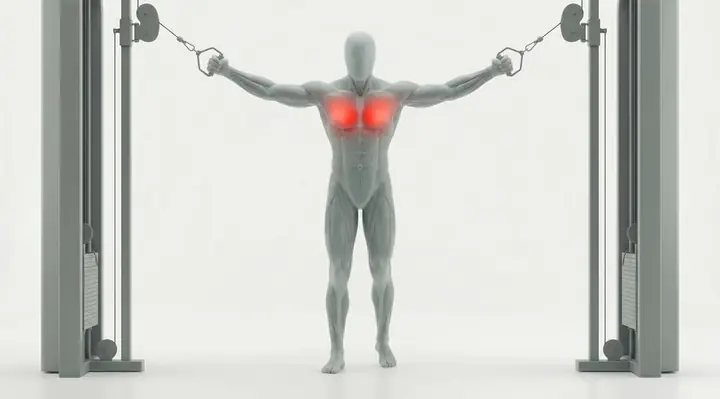 Step 1
-
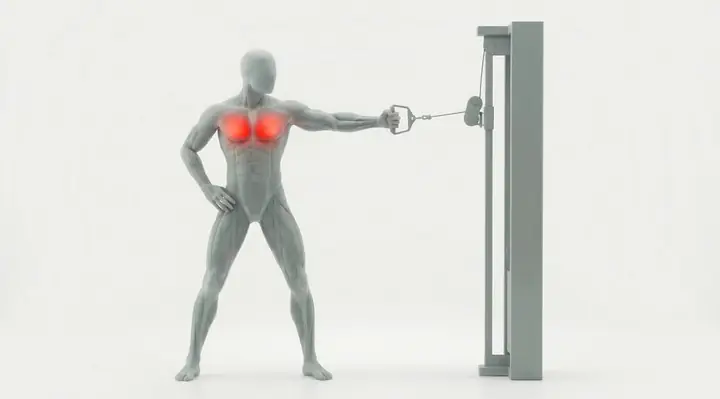 Step 2 You are here
-
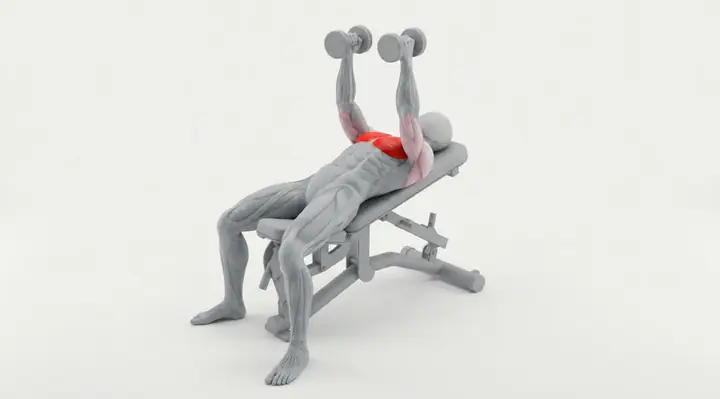 Step 3
About the exercise
The single-arm cable fly keeps the elbow softly bent and sweeps one hand across the body to the midline. The pectoralis major of the working side does the adduction, with the front deltoid and triceps assisting, and the unilateral setup adds an anti-rotation demand: EMG comparison of unilateral against bilateral pressing found substantially higher rectus abdominis and external oblique activity. Working one side at a time also allows a longer adduction range than a bilateral fly. The cost is trunk control, so the stance stays staggered and the load stays light.
Updated
Similar exercises
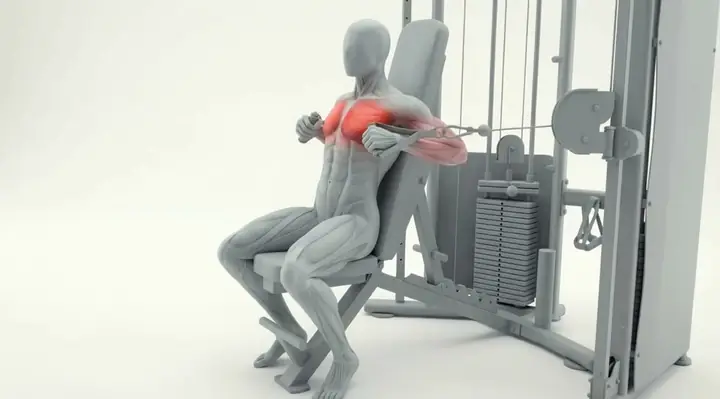
A week of training and meals built for you
Workoutify plans workouts around your days, time and equipment — and a menu for your goal and macros.